
The Healing Power of Asian Medicinal Herbs: A Focus on Korean Remedies
Introduction:
For centuries, medicinal herbs have been fundamental to the practice of traditional medicine across Asia. These natural remedies extend beyond their healing properties, deeply embedding themselves into the cultural and historical tapestry of Asian communities. Traditional Asian medicine’s holistic philosophy prioritizes harmony and balance within the body, mind, and spirit, with medicinal herbs playing a pivotal role in sustaining this equilibrium. This article delves into the therapeutic benefits of these herbs, with a special emphasis on the rich legacy of Korean medicinal herbs.
Historical Background:
For centuries, medicinal herbs have been fundamental to the practice of traditional medicine across Asia. These natural remedies extend beyond their healing properties, deeply embedding themselves into the cultural and historical tapestry of Asian communities. Traditional Asian medicine’s holistic philosophy prioritizes harmony and balance within the body, mind, and spirit, with medicinal herbs playing a pivotal role in sustaining this equilibrium. This article delves into the therapeutic benefits of these herbs, with a special emphasis on the rich legacy of Korean medicinal herbs.
Korean medicinal herbs have been particularly influenced by both Chinese medicine and indigenous practices. One of the most significant texts in Korean medicine is the Dongui Bogam, compiled by Heo Jun in the early 17th century. This comprehensive medical encyclopedia laid the foundation for TKM and remains a crucial reference for herbal medicine in Korea today.
Key Medicinal Herbs:
Several herbs stand out for their healing properties and cultural significance across Asia. Here are a few of the most prominent ones, including some uniquely Korean remedies:
Ginseng (Panax ginseng):
Ginseng is perhaps the most famous medicinal herb in Asia. Known as the “root of life” in Korea, it is revered for its ability to boost energy, enhance immune function, and improve overall vitality. Korean Ginseng, or “Hanguk Insam,” is particularly prized for its potency and quality. Studies have shown that ginseng can improve mental performance, reduce stress, and have antioxidant properties.
Rehmannia (Rehmannia glutinosa):
This herb is a cornerstone of traditional Korean medicine, often used to support kidney health and treat conditions related to yin deficiency. It is believed to nourish the blood, support adrenal function, and provide anti-inflammatory benefits. Rehmannia is frequently included in herbal formulas to strengthen the body’s overall resilience.
Turmeric (Curcuma longa):
Widely used in India and increasingly popular in other parts of Asia, turmeric is celebrated for its anti-inflammatory and antioxidant properties. The active compound, curcumin, has been shown to reduce inflammation, improve brain function, and lower the risk of chronic diseases. Turmeric is a staple in Ayurvedic medicine and is gaining recognition worldwide for its health benefits.
Goji Berries (Lycium barbarum):
Common in Chinese medicine, goji berries are used to boost the immune system, improve vision, and protect the liver. Rich in vitamins, minerals, and antioxidants, these berries are often consumed in soups, teas, and as dried snacks. They are praised for their ability to enhance overall health and longevity.
Licorice Root (Glycyrrhiza glabra):
Used across various Asian medicinal traditions, licorice root is known for its anti-inflammatory, anti-viral, and soothing properties. It is commonly used to treat digestive issues, respiratory conditions, and to reduce stress. Licorice root is often included in herbal blends to harmonize and enhance the effects of other herbs.
Modern Uses and Scientific Validation:
In recent years, there has been a growing interest in scientifically validating the health benefits of traditional medicinal herbs. Research has confirmed many of the healing properties that ancient practitioners have long believed in. For instance, studies on ginseng have shown its potential to improve cognitive function and physical stamina. Turmeric’s anti-inflammatory properties have been widely documented, and goji berries are recognized for their high antioxidant content.
These herbs are increasingly being integrated into modern health practices, from dietary supplements and teas to skincare products and functional foods. This blend of traditional knowledge and modern science offers new ways to benefit from these ancient remedies.
Cultural Significance:
Medicinal herbs hold profound cultural importance across Asia. In Korea, for example, ginseng is not only a medicinal herb but also a symbol of health and longevity. It is often given as a gift and used in ceremonial contexts. Similarly, turmeric is deeply embedded in Indian culture, used in rituals, cuisine, and as a traditional remedy.
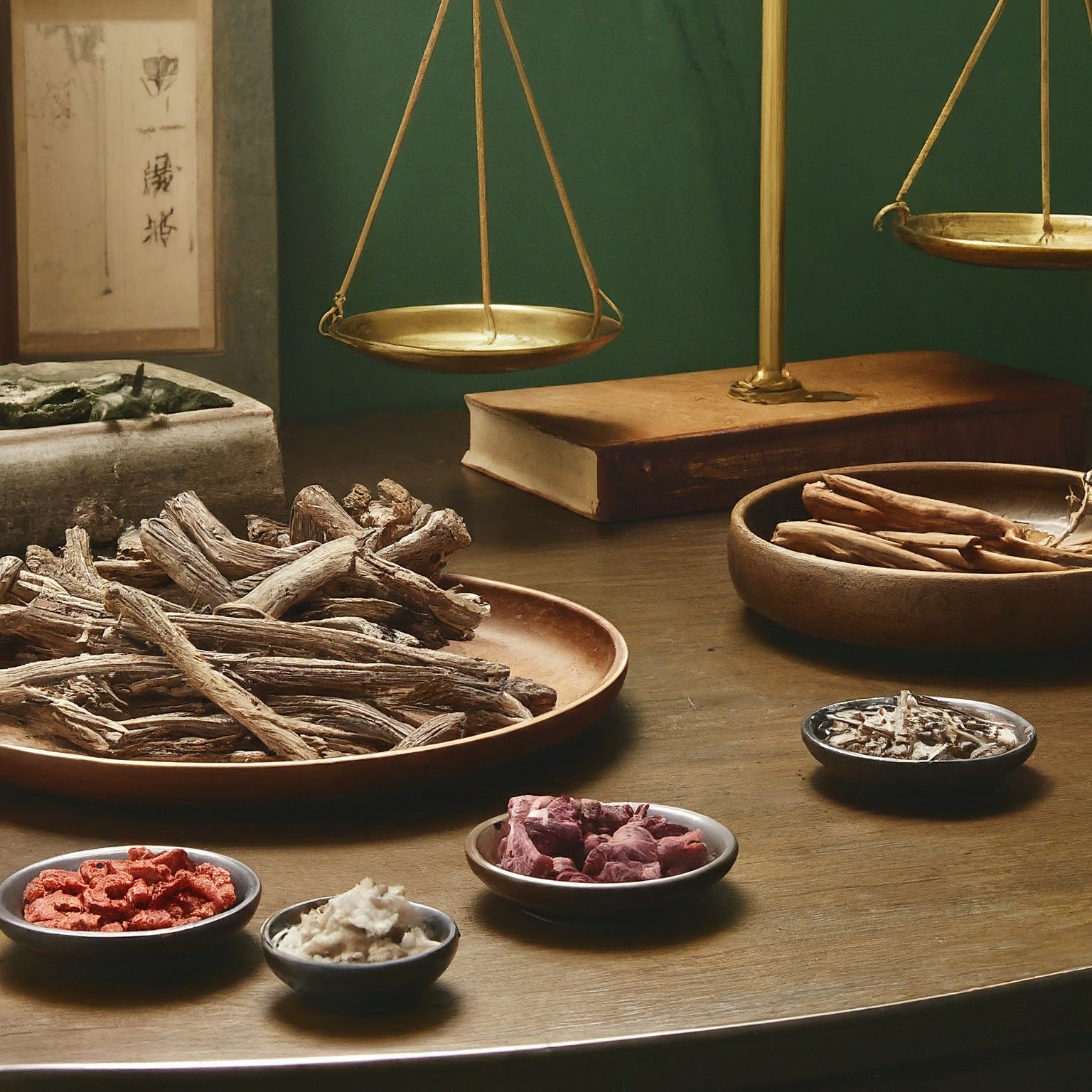
These herbs are part of daily life, traditional ceremonies, and modern wellness routines. They reflect a holistic understanding of health that goes beyond treating symptoms to nurturing the body, mind, and spirit.
Conclusion:
The enduring significance of medicinal herbs in Asian cultures underscores a profound blend of tradition and modernity. As we continue to explore and validate their benefits through scientific research, these ancient remedies offer valuable insights into maintaining health and well-being. By appreciating their rich cultural backgrounds and understanding their potential health benefits, we can integrate these herbs into our lives in meaningful and effective ways. The healing power of Asian medicinal herbs, especially those from Korea, continues to be a testament to the wisdom of traditional medicine.
……
Korean traditional medicine (TKM) is a holistic healing system that has evolved over thousands of years, integrating indigenous Korean practices with influences from Chinese medicine.
Discover the Ancient Wisdom and Healing Practices of Korean Traditional Medicine
Leave a Reply