
Holistic Healthcare Models:
Holistic healthcare models strive to integrate conventional and alternative approaches, addressing the physical, mental, and spiritual aspects of well-being. By considering the whole person, these models emphasize personalized care, promoting optimal health and preventing illness through a comprehensive and patient-centered approach.
Cultural Competence in Healthcare Delivery:
Cultural competence in healthcare involves recognizing and respecting diverse cultural perspectives. It ensures that healthcare practices are sensitive to cultural nuances, fostering trust and effective communication between healthcare providers and patients. This approach enhances the quality of care, reduces health disparities, and promotes inclusive healthcare delivery.
Advancements in Telemedicine:
Telemedicine advancements revolutionize healthcare accessibility by leveraging technology to provide remote medical services. From virtual consultations to remote monitoring, telemedicine enhances healthcare delivery, particularly in remote or underserved areas, offering convenience and timely interventions.
Environmental Impact of Pharmaceuticals:
Assessing the environmental impact of pharmaceuticals involves understanding their ecological footprint. Sustainable practices in drug development, production, and disposal mitigate environmental harm. Innovations aim to create pharmaceuticals that minimize pollution, supporting environmentally responsible healthcare practices and fostering a sustainable pharmaceutical industry.
Personalized Medicine Breakthroughs:
Personalized medicine tailors treatments based on individual genetic profiles, optimizing efficacy and minimizing side effects. Breakthroughs in this field revolutionize healthcare by advancing diagnostics, drug development, and treatment strategies, paving the way for precision medicine that accounts for individual variability in genes, environment, and lifestyle.
Mind-Body Interventions for Chronic Conditions:
Mind-body interventions, such as meditation and mindfulness, complement traditional treatments for chronic conditions. These practices promote holistic well-being by addressing the connection between mental and physical health. Integrating these interventions into healthcare supports patients in managing chronic conditions, improving overall health outcomes.
Innovations in Medical Imaging:
Innovations in medical imaging enhance diagnostic accuracy and therapeutic planning. Breakthroughs in technologies like MRI, CT scans, and PET scans provide detailed insights into anatomical structures and pathological conditions, enabling healthcare professionals to make informed decisions and personalize treatment plans for better patient outcomes.
Role of Nonprofit Organizations:
Nonprofit organizations play a vital role in addressing healthcare gaps by providing services, advocating for policy changes, and supporting communities in need. Understanding their contributions involves recognizing the significant impact these organizations have in promoting public health, advancing medical research, and fostering community well-being.

Future of Health Wearables:
The future of health wearables explores emerging trends in technology for health monitoring and diagnostics. Wearable devices, from smartwatches to fitness trackers, offer real-time health data, empowering individuals to proactively manage their well-being. These devices contribute to preventive healthcare by facilitating continuous monitoring and early detection of health issues.
Health Education Platforms:
Digital platforms for health education empower individuals with accurate information, fostering health literacy and informed decision-making. These platforms provide accessible resources, interactive tools, and engaging content to educate the public about preventive measures, treatment options, and overall well-being, promoting a proactive approach to health.
Integrating AI in Drug Discovery:
Integrating artificial intelligence (AI) in drug discovery streamlines processes, accelerating the identification of potential drug candidates. AI algorithms analyze vast datasets, predict drug interactions, and optimize molecular structures, expediting the development of novel therapeutics. This innovative approach holds promise for more efficient and targeted drug discovery.
Nutritional Genomics Applications:
Nutritional genomics explores how individual genetic variations influence responses to diet. Applications in personalized dietary recommendations consider genetic factors to optimize nutrition plans, supporting overall health and preventing diet-related diseases. This evolving field enhances our understanding of the intricate relationship between genetics, nutrition, and well-being, paving the way for personalized nutrition interventions.
Pediatric Integrative Medicine:
Blending conventional and complementary therapies for pediatric care involves holistic approaches to enhance children’s health. By combining evidence-based medicine with complementary therapies, this approach addresses the physical, emotional, and social aspects of a child’s well-being, fostering comprehensive and individualized healthcare.
Addressing Mental Health Stigma:
Strategies to reduce mental health stigma focus on raising awareness, fostering open conversations, and promoting understanding. By challenging stereotypes and providing education, these efforts aim to create a supportive environment that encourages individuals to seek mental health services without fear of judgment, ultimately improving access to care.
Biohacking and DIY Health:
Investigating the trend of biohacking and DIY health involves examining how individuals use technology and self-experimentation to optimize their well-being. While these practices can empower individuals to take control of their health, addressing associated risks and ethical considerations is crucial to ensure safe and informed self-experimentation.
Role of Health Coaches:
Exploring the impact of health coaching reveals the valuable role coaches play in supporting individuals’ health and wellness goals. Health coaches provide guidance, motivation, and personalized strategies, helping clients make sustainable lifestyle changes. This collaborative approach enhances overall well-being and empowers individuals to take an active role in managing their health.

Mobile Health Apps:
Evaluating mobile health apps involves assessing their effectiveness and potential pitfalls. These apps offer diverse functionalities, from tracking health metrics to providing educational content. Understanding their impact on user engagement, data privacy, and overall health outcomes is essential to harness the full potential of mobile health technology for improving healthcare accessibility and outcomes.
Traditional Medicine Preservation:
Efforts to preserve and integrate traditional medicine practices into modern healthcare acknowledge the valuable contributions of traditional healing methods. By combining traditional wisdom with contemporary medical practices, this approach ensures culturally sensitive and holistic healthcare solutions, promoting the well-being of diverse populations.
Veterinary Integrative Medicine:
Exploring integrative approaches in veterinary care recognizes the benefits of combining conventional veterinary medicine with complementary therapies. Integrative veterinary care considers the physical and emotional well-being of animals, providing comprehensive treatment options to enhance their health and quality of life.
Health Gamification:
Leveraging gamification principles to encourage healthy behaviors involves incorporating game elements into healthcare interventions. By making health-related activities enjoyable and rewarding, gamification promotes engagement and adherence to wellness goals, fostering a fun and motivating approach to improving overall health.
AI-Powered Virtual Health Assistants:
Examining the role of AI in virtual health assistants reveals their potential for providing personalized health guidance. These AI-powered assistants offer information, support, and monitoring, enhancing healthcare accessibility and individualized care. Understanding their capabilities and addressing ethical considerations is crucial for responsible integration into healthcare systems.
Herbal Medicines in Mainstream Healthcare:
Assessing the integration of herbal remedies into conventional medical practices involves recognizing the potential benefits and risks. Exploring evidence-based uses of herbal medicines enhances the understanding of their therapeutic value, supporting informed decisions in mainstream healthcare for holistic and personalized patient care.
Sustainable Farming Practices:
Linking sustainable agriculture practices to the production of health foods emphasizes the interconnectedness of food and environmental health. Sustainable farming methods contribute to the production of nutritious and environmentally friendly foods, promoting public health and ecological well-being.
DIY Biohacking Risks:
Addressing potential risks and ethical considerations associated with DIY biohacking involves understanding the challenges of self-experimentation. While biohacking can empower individuals, ensuring safety, informed decision-making, and ethical practices is essential to mitigate potential harm and promote responsible engagement in DIY health interventions.
Personalized Fitness Solutions:
Tailoring exercise regimens to individual health conditions and goals optimizes fitness outcomes. This personalized approach considers factors like health status, preferences, and fitness objectives, ensuring effective and sustainable exercise routines that cater to diverse needs.
Ethical Consumerism in Health:
Ethical consumerism in health involves making conscious choices based on environmental impact, fair trade practices, and corporate social responsibility. Individuals are increasingly prioritizing products and services that align with ethical values, contributing to a more sustainable and socially responsible healthcare ecosystem.
Precision Nutrition:
Tailoring nutrition to an individual’s unique dietary needs and genetic makeup is gaining traction as a preventive health strategy. Precision nutrition optimizes dietary choices based on genetic variations, promoting personalized and targeted approaches to enhance overall health and prevent chronic diseases.
Blockchain in Healthcare:
Exploring blockchain technology in healthcare highlights its potential to enhance data security, interoperability, and transparency. Blockchain ensures the integrity and confidentiality of health data, streamlining processes across healthcare systems and facilitating secure and efficient data sharing for improved patient care.
Biotechnology Advancements:
Breakthroughs in biotechnology are driving innovations in drug development, personalized medicine, and diagnostics. Advancements in genetic engineering, biopharmaceuticals, and precision medicine are shaping the future of healthcare, offering novel treatments and improving patient outcomes.
Regulatory Harmonization Efforts:
Global efforts to harmonize health regulations aim to streamline processes for the international trade of health products. Harmonization facilitates regulatory consistency, reducing barriers and presenting opportunities for businesses to expand globally, ensuring safe and efficient access to healthcare products.
Health Equity Initiatives:
Health equity initiatives are crucial in addressing disparities in healthcare access. These efforts aim to ensure that underserved populations have equal opportunities for health improvement, promoting inclusive healthcare policies and practices to bridge gaps in care.
Gene Editing and CRISPR Technology:
Gene editing technologies, such as CRISPR, are opening new possibilities for treating genetic disorders and advancing precision medicine. This revolutionary approach allows targeted modifications of genes, offering potential cures for genetic diseases and advancing the field of personalized medicine.
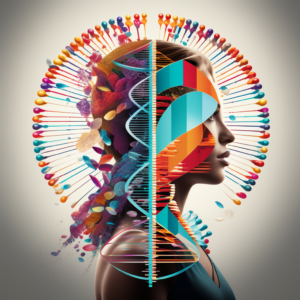
Fertility and Reproductive Health:
Evolving fertility treatments and reproductive health services address the unique needs of individuals and couples facing fertility challenges. Advances in assisted reproductive technologies, personalized fertility care, and comprehensive reproductive health services contribute to improved outcomes and family-building options.
Pharmacogenomics in Drug Development:
Pharmacogenomics plays a pivotal role in drug development by optimizing treatments based on an individual’s genetic profile. This personalized approach enhances drug efficacy and minimizes side effects, paving the way for more targeted and effective pharmaceutical interventions.
Traditional Chinese Medicine (TCM) Integration:
The integration of Traditional Chinese Medicine (TCM) into mainstream healthcare is gaining acceptance, contributing to a more holistic approach. This blend of conventional and traditional practices offers comprehensive healthcare options, acknowledging the value of TCM in promoting well-being and treating various health conditions.
Health Data Privacy Concerns:
Growing concerns about health data privacy and cybersecurity are shaping the development of secure health information systems and compliance standards. Safeguarding sensitive health information is paramount, driving innovations in secure data storage, encryption, and user authentication to protect patient confidentiality and maintain trust in healthcare systems.
Artificial Intelligence in Healthcare:
Artificial intelligence (AI) is transforming healthcare through applications in diagnostics, predictive analytics, and personalized treatment plans. AI’s ability to analyze vast datasets and identify patterns accelerates medical decision-making, enhances diagnostic accuracy, and tailors treatment strategies, ushering in a new era of efficient and individualized healthcare.
Nutritional Psychiatry:
The emerging field of nutritional psychiatry explores the intricate link between diet, gut health, and mental well-being. Innovative approaches in this field aim to leverage nutrition as a modifiable factor in mental health care, emphasizing the impact of diet on mood, cognition, and mental resilience for holistic mental health interventions.
Patient Empowerment Platforms:
Digital platforms empowering patients with information, telemedicine options, and virtual support communities are integral in managing chronic conditions. These platforms enhance patient education, facilitate remote consultations, and foster a sense of community, empowering individuals to actively participate in their healthcare journey and make informed decisions about their well-being.
Human-Centered Design in Healthcare:
Incorporating user-friendly design principles in healthcare services and products improves accessibility, usability, and overall patient experience. Human-centered design emphasizes empathy, collaboration, and iterative feedback, ensuring that healthcare solutions align with users’ needs and preferences, ultimately enhancing the effectiveness and acceptance of healthcare innovations.
Integrating Artificial Organs:
Exploring the use of artificial organs in medical treatments and transplants holds promise for addressing organ shortages and improving patient outcomes. Advances in bioengineering and materials science contribute to the development of artificial organs that mimic natural functionality, offering innovative solutions to enhance the quality of life for patients in need.
Machine Learning in Disease Prediction:
Utilizing machine learning algorithms for disease prediction enables early detection and prevention of outbreaks. By analyzing diverse datasets, machine learning models can identify patterns indicative of potential diseases, enhancing public health preparedness and intervention strategies to mitigate the impact of infectious diseases.
Wearable Health Monitors for Chronic Conditions:
Wearable devices for monitoring and managing chronic diseases provide real-time health data, empowering individuals to proactively manage their conditions. These devices offer continuous tracking of vital signs, activity levels, and other relevant metrics, facilitating personalized care plans and improving the overall management of chronic health conditions.
Blockchain for Medical Records:
Enhancing the security and interoperability of electronic health records using blockchain technology addresses issues of data integrity and accessibility. Blockchain ensures a tamper-resistant and transparent record-keeping system, allowing secure sharing of patient information across healthcare providers, ultimately improving care coordination and patient outcomes.
Impact of Light Exposure on Circadian Rhythms:
Understanding how light influences circadian rhythms is crucial for optimizing overall health. Research in this field explores the impact of light exposure on sleep-wake cycles, mood regulation, and metabolic processes. Insights into circadian biology inform strategies for managing health conditions and promoting well-being through lifestyle and environmental interventions.
Quantum Computing in Healthcare:
Investigating how quantum computing can revolutionize healthcare data processing explores the potential for solving complex problems at unprecedented speeds. Quantum computing holds promise for tasks such as drug discovery, genetic analysis, and optimization of healthcare algorithms, offering a new paradigm for data-intensive computations in the healthcare domain.
Nutraceuticals:
Examining the intersection of nutrition and pharmaceuticals in health products highlights the development of nutraceuticals. These products combine nutritional and therapeutic elements, offering potential health benefits beyond basic nutrition. The exploration of nutraceuticals encompasses understanding their efficacy, safety, and role in preventive healthcare practices.
……
Integrative Gastroenterology:
This approach merges conventional and alternative methods to treat gastrointestinal conditions comprehensively. It explores combining medical interventions, dietary changes, and complementary therapies to address issues such as irritable bowel syndrome or inflammatory bowel diseases, offering patients a more holistic and personalized treatment plan.
AI for Drug Repurposing:
Artificial intelligence plays a pivotal role in identifying new applications for existing drugs. By analyzing vast datasets, AI algorithms identify potential drug candidates for different medical conditions, accelerating drug discovery and repurposing efforts, ultimately leading to more efficient and cost-effective healthcare solutions.
Cultural Competence in Mental Health Services:
Adapting mental health services to diverse cultural needs is essential for effective and inclusive care. Cultural competence involves understanding and respecting different cultural backgrounds, traditions, and belief systems to provide mental health support that is sensitive and relevant to individuals from various cultural communities.
Biofeedback Therapies:
Biofeedback techniques empower individuals to control physiological processes, such as heart rate or muscle tension, for health benefits. These therapies enhance self-awareness and self-regulation, promoting relaxation and stress reduction. Biofeedback is employed in various health contexts, including pain management, anxiety treatment, and improving overall well-being through mind-body connections.
Health Technology Assessment:
Evaluating the effectiveness and impact of new health technologies is crucial for informed decision-making. Health technology assessment involves assessing the clinical, economic, and societal implications of introducing new technologies into healthcare, ensuring that resources are allocated efficiently and innovations contribute positively to patient outcomes and public health.
Human Enhancement Technologies:
Exploring technologies that enhance human physical and cognitive abilities raises ethical and societal considerations. From wearable devices to neural implants, these technologies aim to augment human capabilities, posing questions about safety, equity, and the potential impact on societal dynamics and values. Balancing innovation with ethical guidelines is crucial in the development and deployment of human enhancement technologies.
Exercise Oncology:
Exercise plays a vital role in supporting cancer patients during and after treatment. Research in exercise oncology explores the benefits of physical activity in managing treatment side effects, improving quality of life, and potentially enhancing cancer outcomes. Tailored exercise programs are designed to address the unique needs and challenges faced by individuals undergoing cancer treatment or in post-treatment phases.
Robotic Prosthetics:
Advancements in robotic limbs and prosthetic devices offer improved functionality and mobility to individuals with limb loss. These innovations incorporate sophisticated technologies, such as artificial intelligence and sensor systems, to provide more natural movements and a better quality of life for amputees. Ongoing developments continue to enhance the design and functionality of robotic prosthetics.
Impact of Climate Change on Health:
Examining the health consequences of climate-related changes is crucial in understanding and mitigating environmental impacts on well-being. Climate change poses risks such as extreme weather events, changing disease patterns, and food insecurity, affecting both physical and mental health. Research in this area informs strategies for adapting healthcare systems and public health interventions to address climate-related health challenges.
Epigenetic Therapy:
Utilizing epigenetic modifications as a therapeutic approach for diseases explores the potential of modifying gene expression patterns without altering the underlying DNA sequence. Epigenetic therapy holds promise in treating conditions such as cancer and neurological disorders by influencing gene activity. Understanding and harnessing epigenetic mechanisms offer innovative avenues for developing targeted and personalized therapeutic interventions.
Leave a Reply